Decoding F1 Strategy: When to Pit, Push, and Preserve
Introduction
Formula 1 is a game of fractions—a world where decisions made by teams on when to pit, when to push the limits, and when to conserve their car can spell the difference between glory and disappointment. Beyond raw speed, race strategy encapsulates tire management, track conditions, and real-time data analysis. The 2025 Australian Grand Prix provided a masterclass in these strategic nuances, offering clear examples of how a well-calibrated plan can create a competitive edge.
When to Pit: The Calculus of a Perfect Stop
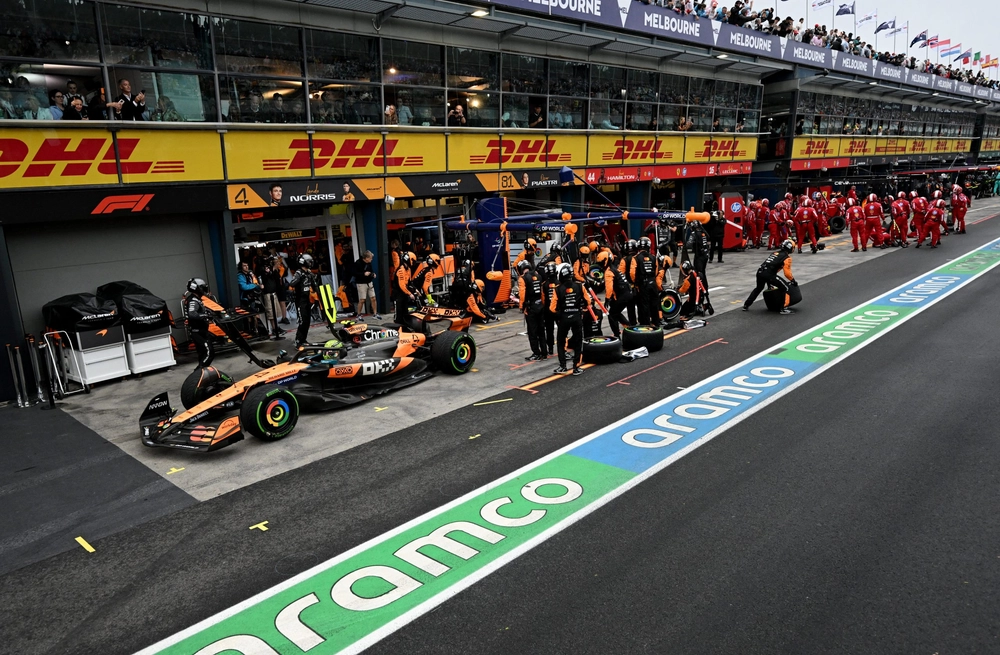
Pit stops are far more than a break for tire changes; they are a critical tactical maneuver. Key considerations include:
- Tire Degradation & Compound Selection:
Teams continuously monitor how quickly their tires are losing grip. Pitting too early might waste fresh performance, while waiting too long can result in a loss of pace. At Albert Park in 2025, track temperatures accelerated tire wear, meaning that finding the ideal moment to pit was crucial. - Track Position and Traffic:
An optimally timed pit stop can help a driver avoid traffic or lapped cars. Conversely, an ill-timed stop can cost vital track position. The race demonstrated that a split-second error in timing can lead to a significant setback. - External Factors:
Unexpected safety cars or sudden weather changes can influence pit stop decisions. In Australia, the evolving track conditions required teams to be flexible and constantly re-evaluate their strategies.
When to Push: Maximizing the Window of Opportunity
Aggression can pay off, but it comes with inherent risks:
- Aggressive Versus Conservative Phases:
Early in a race, pushing hard may seem tempting to gain an advantage, yet it often accelerates tire degradation. Teams must balance the need for speed with the long-term wear on their machinery. - Undercut and Overcut Strategies:
By pitting earlier (undercut) or staying out longer (overcut) relative to a competitor, teams attempt to manipulate track positions. These tactical gambits rely on precise timing and deep insight into how tire performance will evolve over the stint. - Data-Driven Decisions:
Real-time telemetry and driver feedback are indispensable. If data indicates that the tires are holding up despite aggressive pushing, a team might risk a longer stint. However, pushing too hard can force unexpected additional pit stops if tire wear spikes unexpectedly.
When to Preserve: The Long-Game Strategy
Conservation isn’t a sign of weakness—it’s about endurance and ensuring that the car can maintain competitive pace throughout the race:
- Tire and Component Longevity:
Preserving tire life by managing grip levels and avoiding excessive sliding helps maintain performance over a long stint. This was a key factor at the 2025 Australian GP, where preserving tires allowed teams to stay competitive late into the race. - Avoiding Mechanical Stress:
Engines and other components are pushed to their limits during a race. By preserving these parts early on, teams reduce the risk of failures that could ultimately force a costly pit stop or, worse, a retirement. - Strategic Flexibility:
Conserving performance isn’t about being slow—it’s about creating a reserve that can be unleashed if race conditions change. A well-preserved car provides the driver with options, especially if competitors make overly aggressive or flawed strategic choices.
Case Study: The 2025 Australian Grand Prix
The 2025 Australian Grand Prix vividly illustrated how these strategic approaches play out under pressure:
- Ferrari’s Aggressive Miscalculation:
Ferrari opted for an aggressive early-race strategy. Banking on an immediate pace advantage, they made an early pit stop to switch to a softer tire compound. However, the hot track conditions at Albert Park meant that the new tires degraded much faster than anticipated. As their grip waned, Ferrari found themselves forced into an additional pit stop later in the race. This extra stop not only cost them valuable seconds but also saw them lose critical track position, ultimately undermining their competitive performance. - McLaren’s Measured Mastery:
In contrast, McLaren embraced a strategy that balanced aggression with preservation. Recognizing the punishing nature of the track surface, they delayed their pit stop to maximize tire life in the early laps. By preserving their tires and conserving their mechanical components, McLaren was able to capitalize on a more favorable window later in the race. Their strategy paid off during a well-timed safety car period that allowed them to pit with minimal time loss. The result was a sustained pace that saw them climbing up the order and finishing strongly—a testament to the art of strategic preservation.
Conclusion: The Art and Science of Race Strategy
Decoding F1 strategy involves navigating a labyrinth of decisions, from split-second pit stop timing to choosing when to aggressively push and when to hold back. The 2025 Australian Grand Prix served as an illustrative microcosm of these principles. Ferrari’s early aggressive push, though bold, ultimately cost them in a punishing environment, while McLaren’s calculated preservation strategy allowed them to thrive.
In Formula 1, the race is not just won by the fastest car, but by the team that best manages its resources, adapts to changing conditions, and perfectly times its strategic decisions. As technological advancements continue to shape the sport, the delicate balance between pushing hard and preserving will remain at the heart of every race—a tactical chess match where every decision matters.