F1’s Debate Over a Return to V10 Engines
In a sport defined by cutting-edge technology and relentless innovation, the idea of reviving the thunderous V10 engines has stirred both nostalgia and excitement among fans and experts alike. As discussions emerge around a possible return to naturally aspirated, high-revving engines powered by sustainable fuel, Formula 1 is looking at a future where performance and environmental responsibility might share the same track.
The Legacy of V10 Power
A Sound That Defined an Era
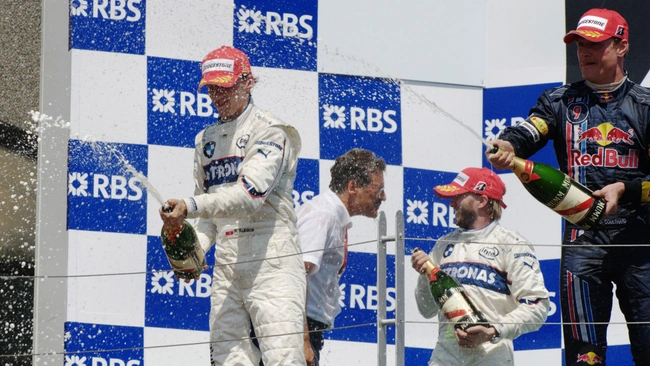
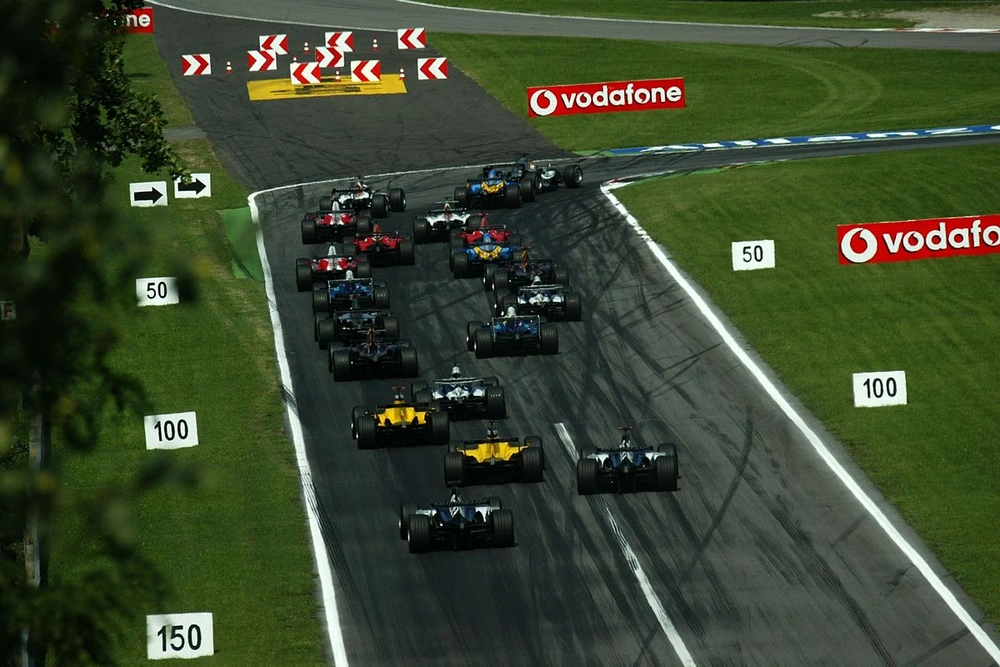
For many racing enthusiasts, the V10 engine era (dominant until 2006) represents the pinnacle of motorsport excitement—a time when engines roared with an unforgettable sound and delivered breathtaking acceleration. The distinctive noise, coupled with high-revving performance, created an aural spectacle that became synonymous with Formula 1’s identity. While the introduction of the 1.6-liter V6 turbo hybrids in 2014 ushered in a new era of efficiency and technology, it left some fans longing for the raw, visceral experience of the V10 days.
The Call for Nostalgia
Recent debates within the F1 community have reignited discussions about whether a return to V10s could recapture that magic. Advocates argue that a modern, sustainable V10 would not only restore the iconic sound but also challenge teams to blend cutting-edge performance with environmental responsibility.
Driving Toward Sustainability
Sustainable Fuel: The Game Changer
Central to this debate is the promise of 100% sustainable fuel. As regulators push for greener technologies, the concept of a V10 running on synthetic or bio-derived fuel is gathering traction. F1 chief Mohammed Ben Sulayem has hinted that, with sustainable fuel on the horizon, a return to the classic engine configuration might be feasible without compromising the sport’s environmental commitments .
Balancing Tradition and Innovation
The challenge lies in merging the high-revving characteristics of a V10 with modern energy recovery systems and hybrid efficiency. While the current V6 engines are marvels of efficiency, a sustainable V10 could offer a unique balance: delivering the thrilling sound and performance of the past, while meeting the stringent carbon reduction goals set for the future.
Technological and Strategic Challenges
Engineering Overhaul
Reviving a V10 engine isn’t as simple as switching back a few decades. Modern F1 cars are designed around the compact hybrid power unit architecture, and reintroducing a V10 would require significant changes to the car’s packaging, aerodynamics, and cooling systems. Engineers face the task of redesigning components to accommodate larger, naturally aspirated engines while integrating advanced hybrid systems that ensure fuel efficiency and reliability.
Impact on Race Strategy
A return to V10s could also shift the strategic landscape on track. Teams would have to recalibrate their approach to power management, energy recovery, and even tire strategy. The absence of the turbocharger—and its inherent lag—might result in a more linear power delivery, altering how drivers approach overtaking and corner exits. While this could lead to more exciting racing dynamics, it also demands a rethinking of current race strategies and in-race communication protocols.
The Future of F1 Sound
The Roar of the Past
For many fans, the potential return of V10s represents a dream come true. The raw, exhilarating sound of these engines not only stokes passion but also deepens the emotional connection to the sport. However, the shift must be carefully managed to ensure that the spectacle of noise doesn’t come at the cost of modern performance standards and environmental goals.
A New Chapter in F1’s History
If successfully implemented, a sustainable V10 could redefine what modern racing sounds like. This blend of nostalgia and future-forward technology might well become a unique selling point for Formula 1—a sport that honors its past while boldly charging toward a greener, more sustainable future.
Conclusion
The debate over reintroducing V10 engines in Formula 1 encapsulates the sport’s perennial struggle to balance tradition with innovation. While the roar of the V10 holds undeniable appeal, its revival depends on overcoming significant engineering challenges and aligning with F1’s ambitious sustainability targets. As stakeholders continue to explore this possibility, one thing remains clear: Formula 1 is ready to push the boundaries, ensuring that the spirit of racing—both in performance and passion—remains as vibrant as ever.